Dalhousie travel guide
Hill town
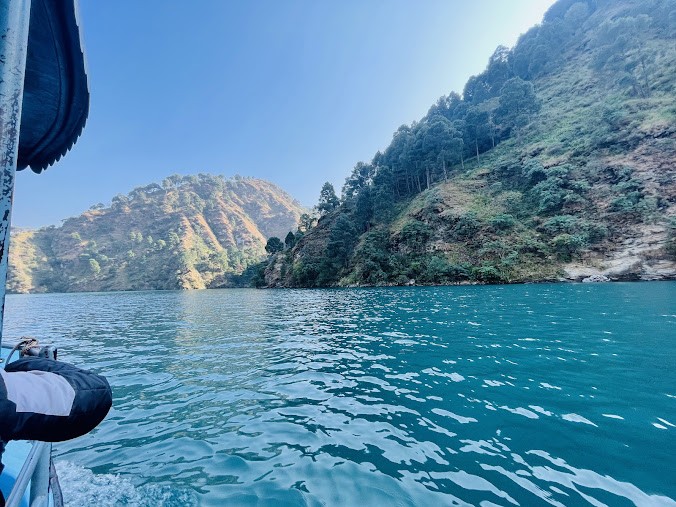
Dalhousie is a scenic hill station known for colonial-era architecture, lush pine forests, panoramic mountain viewpoints, serene lakes, cascading waterfalls, and proximity to culturally rich Chamba region, making it popular among families, couples, and leisure travelers seeking relaxed Himalayan experiences.
Best time to visit Dalhousie
Apr–May and Oct–Nov are best; Mar, Jun, Sep and Dec are also good. Jul–Aug brings very heavy rain and landslides; Jan–Feb is cold, with snow on some days.
| Month | Verdict | Temperature | Rain | Crowds | What to expect |
|---|---|---|---|---|---|
| January | mixed | 2–12 °C | 160 mm | low | Cold, with snow spells; heavy falls can block hill roads for a day or two |
| February | mixed | 3–13 °C | 120 mm | low | Cold and damp; snow still possible, especially early in the month |
| March | good | 6–17 °C | 160 mm | low | Cool and fresh with spring showers; quiet before the season starts |
| April | best | 10–21 °C | 100 mm | medium | Pleasant days and cool nights; good for forest walks and picnics |
| May | best | 14–25 °C | 60 mm | high | Warm, mostly dry days; school holidays fill hotels from mid-May |
| June | good | 16–27 °C | 130 mm | high | Peak season with visitors from the plains; monsoon rains begin late in the month |
| July | mixed | 16–24 °C | 590 mm | high | Very wet with landslide risk on hill roads, yet still busy; book rooms ahead |
| August | mixed | 16–23 °C | 570 mm | low | Rain most days, often misty; landslides can block roads |
| September | good | 14–23 °C | 250 mm | low | Rain fades in the second half; green and quiet, clearer by month's end |
| October | best | 11–22 °C | 70 mm | medium | Dry and clear with long mountain views; clear night skies |
| November | best | 7–18 °C | 40 mm | low | Crisp, clear days and cold nights; quiet outside Diwali week |
| December | good | 4–14 °C | 70 mm | medium | Cold, mostly dry and clear; busy over Christmas–New Year; snow possible late |
How many days to spend in Dalhousie
Two days cover Panchpula, Dainkund Peak and Khajjiar via Kalatop; a third adds Chamba's Bhuri Singh Museum and temples.
How to reach Dalhousie
- By air: Pathankot (IXP) — 90 km by road. Few flights; Jammu (IXJ) has many more, Kangra (DHM) is another option
- By train: Pathankot (PTK) — 85 km, about 2–3 h by road. Overnight trains from Delhi; nearby Chakki Bank also has Delhi trains
- By road: From Amritsar — 200 km. Amritsar's airport has many more flights
Getting around
Walk the level Mall roads between Gandhi Chowk and Subhash Chowk, and on to Panchpula; take a taxi for Dainkund, Kalatop and Khajjiar, or local buses to Khajjiar and Chamba.
Things to do in Dalhousie
- McLeod Ganj — Hill area
- Sunset Point Home Stay And Food Corner — Viewpoint (1 h · Free entry)
- Dalai Lama Temple, Tsuglagkhang Complex — Monastery (1.5 h · Free entry)
- Triund Trek — Trek (8 h)
- Dainkund Peak — Peak (2 h · Free entry)
- Baijnath temple — Temple (45 min · Free entry)
- Bhagsu Nag Waterfall Pathway — Waterfall
- Kalatop Wildlife Sanctuary — Sanctuary (2.5 h · ₹250)
- Barot Valley — Valley (5 h · Free entry)
- Namgyal Monastery — Monastery (1.5 h · Free entry)
- Chamera Lake view point — Lake (1.5 h · Free entry)
- Sherabling Monastery — Monastery (1.5 h · Free entry)
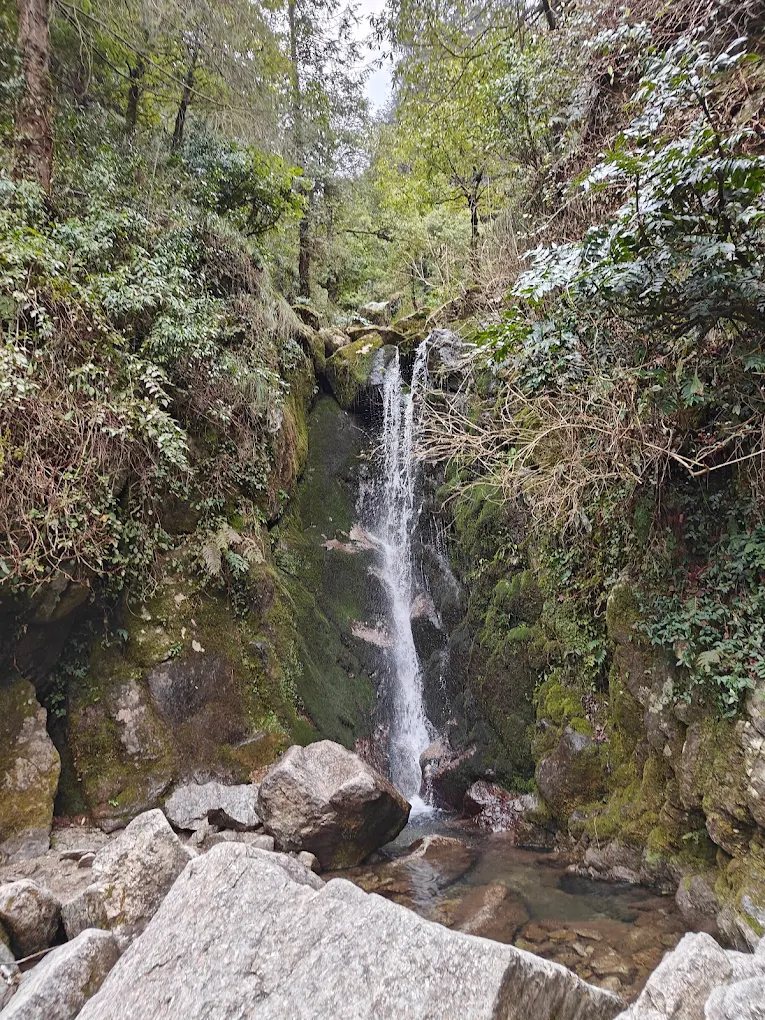
- Panchpula Waterfall — Waterfall (1 h · Free entry)
- Rajgundha Valley — Valley (4 h · Free entry)
- Dal Lake-Mcleod Ganj — Lake
- Uhl River View Point — River (1 h · Free entry)
- Sath dhara — Falls (45 min · Free entry)
- Andretta Pottery — Art village (1.5 h)
- Norbulingka Institute — Culture (2 h · ₹20)
- Naddi View Point — Viewpoint (45 min · Free entry)
- Bakrota Hills view Point — Hills (1 h · Free entry)
- Padri Pass — Pass (1 h · Free entry)
- C.N.I Church of St. John in the Wilderness — Church (45 min · Free entry)
- Rang Mahal — Palace (45 min · Free entry)
- Lambadug Hydro Electric Project 25 MW — Trek
- Tatapani Natural Hot Springs — Hot spring (1.5 h · Free entry)
- Kailash Kund — Lake (10 h · Free entry)
- Jammu - Surinsar - Mansar Road — Lake
- Purmandal — Temple
- Dharamkot — Village
- KARERI LAKE TREK — Trek lake (10 h)
- Bhuri Singh Museum — Museum (1.5 h · ₹50)
- Thamsar Pass — High pass (10 h)
- Seoj Dhar Bhaderwah — Meadow (4 h · Free entry)
- XPJ6+C83 — Valley
- Chinta Valley — Valley
- Akhand Chandi Palace & Govt Medical College — Palace (30 min · Free entry)
- Jai Valley — Valley (4 h · Free entry)
- Sidhbari — Ashram
- Forest Block — Meadows
- Bhaderwah Trekkers — Trek
- Trekking Routes OR Doda Bridge — Trek
- State War Memorial — Memorial (45 min · Free entry)
- Chokling Monastery — Monastery (1 h · Free entry)
- Dhauladhar Nature Park (Zoo), Gopalpur — Zoo (2 h · Paid entry)
- Ganji Pahari Trek WeDalhousie — Hill (3 h · Free entry)
- Saach Pass — Viewpoint (2 h · Free entry)
- Salooni — Town
- Scenic Lookouts or Doda City landscape view point — Views
- Shri Chamunda Devi Mandir Chamba — Temple (1 h · Free entry)
Food to try in Dalhousie
- Madra — Chickpeas slow-cooked in spiced yoghurt with ghee; a Chamba speciality
- Chamba chukh — Fiery chilli condiment from Chamba district, eaten with meals
Frequently asked questions
What is the best time to visit Dalhousie?
Apr–May and Oct–Nov are best; Mar, Jun, Sep and Dec are also good. Jul–Aug brings very heavy rain and landslides; Jan–Feb is cold, with snow on some days.
How many days are enough for Dalhousie?
2–3 days. Two days cover Panchpula, Dainkund Peak and Khajjiar via Kalatop; a third adds Chamba's Bhuri Singh Museum and temples.
How do I reach Dalhousie?
By air: Pathankot (IXP) — 90 km by road. Few flights; Jammu (IXJ) has many more, Kangra (DHM) is another option. By train: Pathankot (PTK) — 85 km, about 2–3 h by road. Overnight trains from Delhi; nearby Chakki Bank also has Delhi trains. By road: From Amritsar — 200 km. Amritsar's airport has many more flights.
What are the top things to do in Dalhousie?
McLeod Ganj, Sunset Point Home Stay And Food Corner, Dalai Lama Temple, Tsuglagkhang Complex, Triund Trek, Dainkund Peak, Baijnath temple.
Plan your Dalhousie trip
Open Guide My Holiday to turn these places into a routed, day-by-day itinerary and book a cab that follows it.
Get it on Google Play · Download on the App Store
Guide checked on 2026-10-06.