Mumbai travel guide
India's financial capital with historic sites, beaches, and markets.
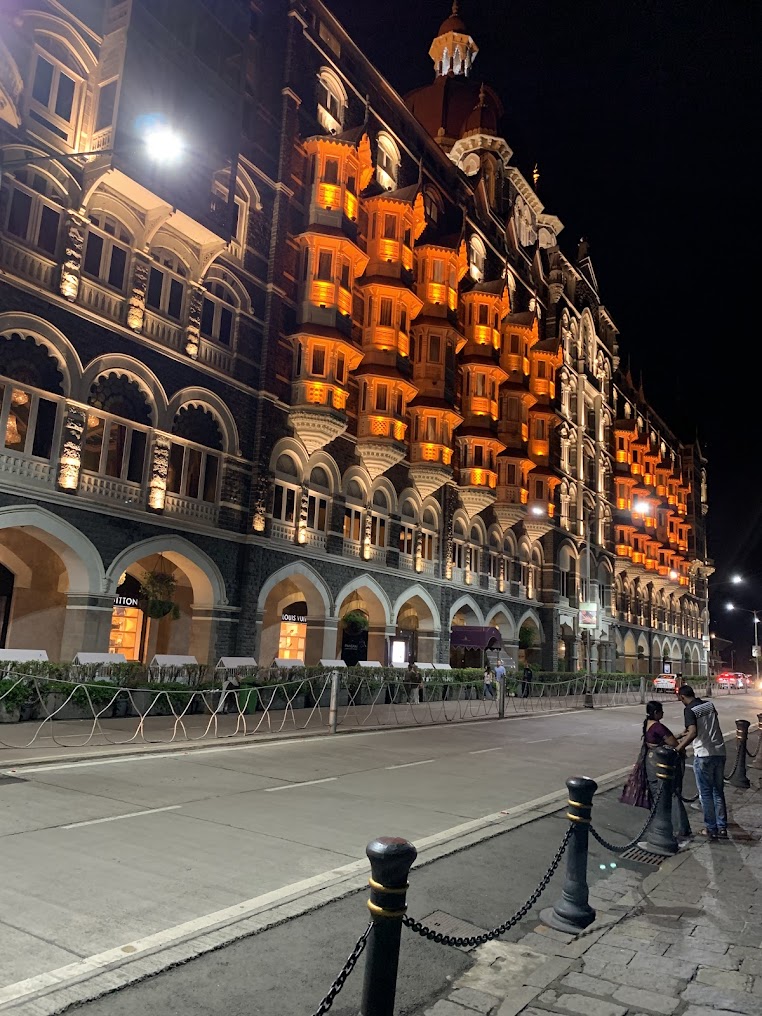
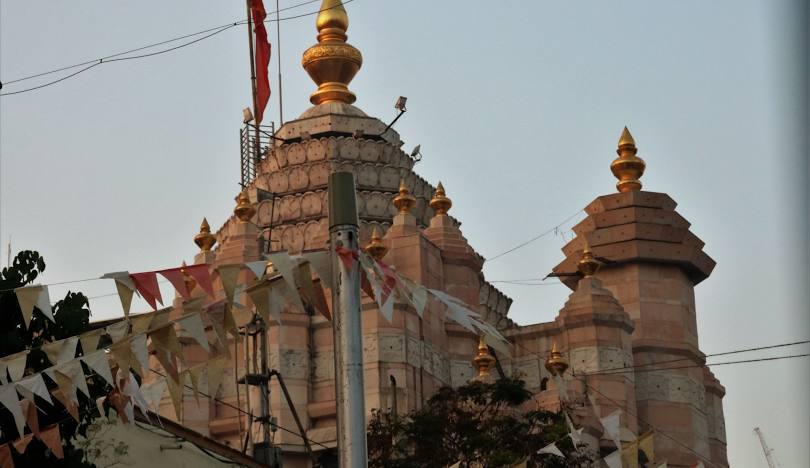
Mumbai, India’s financial powerhouse and entertainment hub, is a city of contrasts, blending colonial history, modern skyscrapers, and vibrant street life. Known for Bollywood, bustling markets, and coastal charm, it is a melting pot of cultures and traditions. From iconic landmarks to lively nightlife, Mumbai never sleeps, offering an endless array of experiences for every traveler.
Best time to visit Mumbai
Oct–Feb is the best time: dry, with lower humidity. Mar–May is hot and humid; Jun–Sep is monsoon, with flooding most likely in Jun–Jul.
| Month | Verdict | Temperature | Rain | Crowds | What to expect |
|---|---|---|---|---|---|
| January | best | 17–31 °C | 0 mm | medium | Dry and sunny, with lower humidity; good for walking tours |
| February | best | 18–32 °C | 0 mm | medium | Dry and pleasant; evenings suit Marine Drive and Chowpatty |
| March | good | 21–33 °C | 0 mm | medium | Heat and humidity build; keep sightseeing for the morning |
| April | mixed | 24–33 °C | 0 mm | medium | Hot and sticky; plan indoor stops for the afternoon |
| May | mixed | 27–34 °C | 5 mm | medium | The hottest, most humid weeks before the monsoon |
| June | avoid | 27–32 °C | 530 mm | low | Monsoon arrives; heavy rain, waterlogging, Elephanta ferries often stop |
| July | avoid | 26–30 °C | 920 mm | low | Heaviest rain; flooding can disrupt roads, trains and flights |
| August | mixed | 25–30 °C | 560 mm | high | Still very wet; Ganesh Chaturthi may begin late in the month |
| September | mixed | 25–31 °C | 380 mm | high | Showers ease; Ganesh Chaturthi crowds if the festival falls here |
| October | good | 24–34 °C | 90 mm | medium | Rain mostly over; warm and humid; Navratri and Diwali bring crowds |
| November | good | 21–34 °C | 10 mm | medium | Dry, warm days and easing humidity; busy around Diwali |
| December | best | 18–33 °C | 0 mm | high | Dry, with cooler evenings; peak season over Christmas and New Year |
How many days to spend in Mumbai
Two days cover the Gateway of India, CSMT, Marine Drive and Elephanta Caves; four add Sanjay Gandhi National Park with Kanheri Caves, Juhu Beach and Siddhivinayak Temple.
How to reach Mumbai
- By air: Mumbai (BOM) — 2 km, about 5–15 min by road. Navi Mumbai (NMI) is a second airport, farther out
- By train: Mumbai CSMT (CSMT) — 18 km, about 25–40 min by road. Long-distance trains also use LTT, Mumbai Central, Dadar and Bandra Terminus
- By road: From Pune — 150 km, about 2.5–3.5 h
Getting around
Suburban trains, the metro and BEST buses carry most residents; taxis and app cabs fill the gaps. South Mumbai sights are close together, but traffic and monsoon rain slow every road.
Things to do in Mumbai
- Matheran Hill Station — Hill town (7 h · Paid entry)
- Murud-Janjira Fort — Island fort (4 h · Paid entry)
- Chhatrapati Shivaji Maharaj Terminus — Rail icon (1 h · Free entry)
- Dadasaheb Phalke Chitranagari — Film studio (3 h · Free entry)
- Kalavantin Durg Trek — Peak trek (4 h · Free entry)
- Pandavkada Waterfalls — Falls (2.5 h · ₹50 per person)
- Seawoods Telecom — Mall
- Alibaug Beach — Beach (2 h · Free entry)
- Kashid Beach — White sand (2.5 h · Free entry)
- Panorama Point — Viewpoint (1 h · Free entry)
- Vasai Fort — Ruined fort (2 h · Free entry)
- Kolaba Fort — Sea fort (1.5 h · ₹25)
- Mount Mary Church — Church (45 min · Free entry)
- Nehru Science Centre — Sci museum (3 h · Paid entry)
- Pandavkada Falls — Waterfall (2.5 h · ₹50 per person)
- Kothaligad — Fort trek (4 h · Free entry)
- ISKCON Kharghar — Temple (1.5 h · Free entry)
- Nagaon Beach — Beach (2.5 h · Free entry)
- One Tree Hill Point — Hill (1.5 h · Free entry)
- Prabalgad Fort — Fort (7 h · Free entry)
- Sunset Point, Matheran — Sunset (1.5 h · Free entry)
- Global Vipassana Pagoda — Pagoda (1.5 h · Free entry)
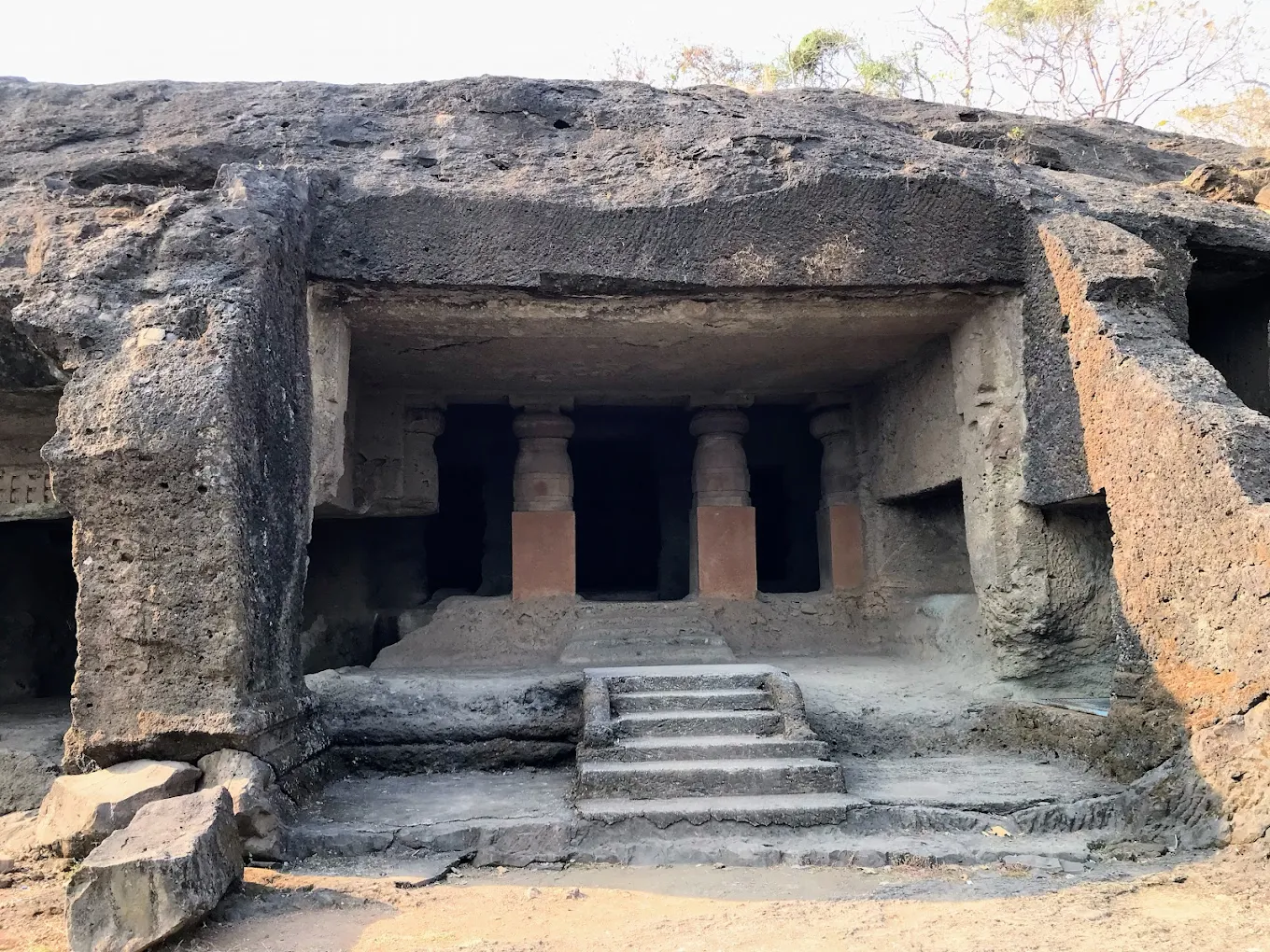
- Kanheri Caves — Ancient caves (4 h · Rs 5)
- Prithvi Theatre — Art theatre (2 h · Paid entry)
- Karnala Bird Sanctuary — Bird park (4 h · Paid entry)
- Thakargadi Camp Start @ Rs. 549 Prabalmachi Camping /Kalavantin durg trek — Trek zone (5 h · Paid entry)
- Louisa Point — Viewpoint (1 h · Free entry)
- Tungareshwar Temple — Temple zone (2.5 h · Free entry)
- Bhaja Budhhist Caves Ancient Buddhist Heritage — Caves (2.5 h · ₹25)
- Kihim Beach — Beach (2 h · Free entry)
- Akshi Beach — Quiet beach (1.5 h · Free entry)
- Mandwa Beach — Ferry (1.5 h · Free entry)
- Kankeshwar Temple — Hill temp (2.5 h · Free entry)
- Echo Point — Echo (45 min · Free entry)
- Alexander point — View (45 min · Free entry)
- Monkey Point — Point (1 h · Free entry)
- Heart Point Matheran — View (1 h · Free entry)
- Girgaon Chowpatty — Public beach (1.5 h · Free entry)
- Irshalgad Trek — Rock trek (5.5 h · Free entry)
- Visapur Fort — Trek (3.5 h · Free entry)
- Central Park Kharghar — Park (2 h · Free entry)
- Aksa Beach — Calm beach (2 h · Free entry)
- Worli Fort — Old fort (45 min · Free entry)
- Nehru planetarium — Space dome (1.5 h · Paid entry)
- Karnala — Hill fort
- Echo Point — Echo spot (1 h · Free entry)
- Sunil's Celebrity Wax Museum — Wax (1 h · ₹200)
- Varsoli Beach — Beach (1.5 h · Free entry)
- Worli Sea Face — Sea view
- Taraporewala Aquarium — Aquarium (1 h · Paid entry)
- Balaji Mandir — Temple (1 h · Free entry)
- Chinchoti Waterfalls — Waterfall (2.5 h)
- Wonders Park — Amuse (2.5 h · ₹35-₹50)
- Versova Beach — City beach (1.5 h · Free entry)
- Suraj Water Park — Water park (4 h · Paid entry)
- Kharghar Hills — Hill views
- Tandulwadi Fort — Hill fort (4 h · Free entry)
- Palm Beach Road — Scenic
- EsselWorld — Theme park (5 h · Paid entry)
- Madh Island — Beach zone (2 h · Free entry)
- Upvan Lake — Lakefront (1 h · Free entry)
- Arnala Fort — Old fort (2 h)
- Charlotte Lake — Lake point (1 h · Free entry)
- Lavasa — Scenic
- Mahakali Caves — Rock caves (1 h · Paid entry)
- Kelva Beach — Beach zone (2 h · Free entry)
- Takmak Fort Hiking Point — Hill fort (3.5 h · Free entry)
- Tikona Fort — Trek
- Powai Lake — City lake (1.5 h · Free entry)
- Tikuji-Ni-Wadi Corporate Office — Theme park
- Belapur Fort — Heritage fort (1.5 h · Free entry)
- Mulshi Dam — Nature (2.5 h · Free entry)
- Rock Garden — Garden (1.5 h)
- Water Kingdom — Water park (5 h · INR 877 + GST)
- Manori Beach — Calm beach (2 h · Free entry)
- Ovalekar Wadi Butterfly Garden — Butterfly (1.5 h · ₹100)
- Arnala beach — Calm beach (2 h · Free entry)
- Shilonda Trail — Nature trail (3 h · Paid entry)
- Marvé Beach — Beach spot (1.5 h · Free entry)
- Yazoo Park — Theme park
- Gadeshwar Dam — Dam lake (1.5 h · Free entry)
- Ghangad Fort — Fort (4 h · Free entry)
- Bedse Caves Ancient Buddhist Heritage — Caves (1.5 h)
- Paud — Scenic
- Chawand Fort (Prasannagad) — Fort (4 h · Free entry)
Food to try in Mumbai
- Vada pav — Mumbai's signature street snack, a spiced potato fritter in a bun
- Pav bhaji — Spiced mashed vegetables with buttered buns, a street-food staple
- Irani cafe chai and bun maska — Old Irani cafes are a Mumbai institution for tea and buttered buns
Frequently asked questions
What is the best time to visit Mumbai?
Oct–Feb is the best time: dry, with lower humidity. Mar–May is hot and humid; Jun–Sep is monsoon, with flooding most likely in Jun–Jul.
How many days are enough for Mumbai?
2–4 days. Two days cover the Gateway of India, CSMT, Marine Drive and Elephanta Caves; four add Sanjay Gandhi National Park with Kanheri Caves, Juhu Beach and Siddhivinayak Temple.
How do I reach Mumbai?
By air: Mumbai (BOM) — 2 km, about 5–15 min by road. Navi Mumbai (NMI) is a second airport, farther out. By train: Mumbai CSMT (CSMT) — 18 km, about 25–40 min by road. Long-distance trains also use LTT, Mumbai Central, Dadar and Bandra Terminus. By road: From Pune — 150 km, about 2.5–3.5 h.
What are the top things to do in Mumbai?
Matheran Hill Station, Murud-Janjira Fort, Chhatrapati Shivaji Maharaj Terminus, Dadasaheb Phalke Chitranagari, Kalavantin Durg Trek, Pandavkada Waterfalls.
Plan your Mumbai trip
Open Guide My Holiday to turn these places into a routed, day-by-day itinerary and book a cab that follows it.
Get it on Google Play · Download on the App Store
Guide checked on 2026-10-06.